In this article
There is nothing like an ice cream cone or an iced coffee on a warm San Mateo afternoon, unless a sharp twinge of sensitivity gets in the way. If cold treats make you wince, you are far from alone, and there are practical things you can do about it.
This guide covers what causes sensitivity, simple ways to ease the everyday kind, and the signs that mean it is time to book a visit.
What causes tooth sensitivity
Sensitivity usually happens when the protective enamel on your teeth wears thin, or when gums recede and expose the softer, more sensitive layer underneath. Cold, heat, sweetness, acidity or even a rush of cold air can then reach the nerve inside the tooth and cause that quick, sharp feeling.
Common contributors include:
- Brushing too hard or using a stiff-bristled brush
- Enamel worn down by acidic foods and drinks
- Gum recession that exposes the root of the tooth
- Teeth grinding or clenching, which wears enamel over time
- A cavity, a cracked tooth or a worn or loose filling
Grinding and clenching
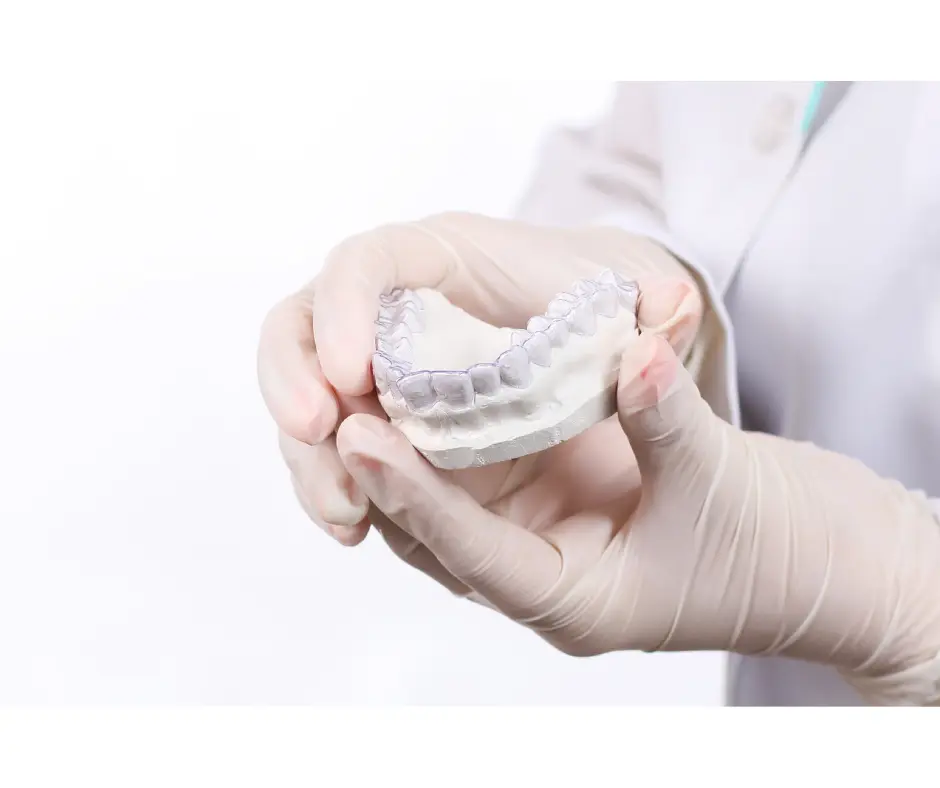
If you wake up with a sore jaw or notice sensitivity along with worn-looking teeth, grinding may be part of the picture. You can learn more on our page about teeth grinding and clenching, and we can talk about whether a custom night guard would help protect your enamel.
Simple ways to ease everyday sensitivity
For mild, occasional sensitivity, these habits often make a real difference:
- Switch to a soft-bristled brush and use gentle, thorough strokes rather than hard scrubbing.
- Try a toothpaste made for sensitive teeth and use it consistently for a few weeks.
- Ease up on acidic foods and drinks, and rinse with water afterward to help neutralize acid.
- Wait a bit after acidic foods before brushing, so you are not brushing softened enamel.
- Ask us about a professional fluoride treatment to help strengthen your enamel.
Keeping up with regular cleanings and exams also helps, because we can spot early enamel wear or gum recession before it becomes a bigger issue.
When sensitivity is a sign to call us
Occasional sensitivity to cold is common and often manageable at home. But some sensitivity points to something that needs professional attention. Give us a call if you notice:
- Sensitivity focused on one specific tooth
- Pain that lingers rather than fading quickly
- Sensitivity along with visible damage, a chip or swelling
- Discomfort that is clearly getting worse over time
These can signal a cavity, a crack or another issue that is much easier to treat when caught early. A quick exam lets us find the cause and recommend the right fix, whether that is a tooth-colored filling, treatment for a cracked tooth, or care for sensitive gums. If a tooth is causing sudden, severe pain, our emergency dentistry team can help right away.
Enjoy your summer, comfortably
You should be able to enjoy that cold treat without a second thought. Learn more about our general dentistry and fluoride treatments, or request an appointment if sensitivity is slowing you down. You can also reach our San Mateo office at (650) 345-3903, and we will help you get back to enjoying summer.
Frequently asked questions
Why are my teeth suddenly sensitive to cold?
Sudden cold sensitivity often comes from worn enamel, receding gums, a new cavity, a cracked tooth or a worn filling. If it appears suddenly or focuses on one tooth, it is worth having it checked.
Does sensitive-teeth toothpaste actually work?
For many people, yes. Toothpaste made for sensitivity can reduce the signals that reach the nerve over a few weeks of regular use. If it does not help, that is a sign to see us for an exam.
Can a fluoride treatment help with sensitivity?
It can. Professional fluoride helps strengthen enamel and can reduce sensitivity for some patients. We can recommend whether it is a good option for you at your visit.
When should I see a dentist about sensitive teeth?
See a dentist if sensitivity is focused on one tooth, lingers rather than fading quickly, comes with visible damage or swelling, or is getting worse. These can point to a problem that is easier to treat early.